What is Eczema?
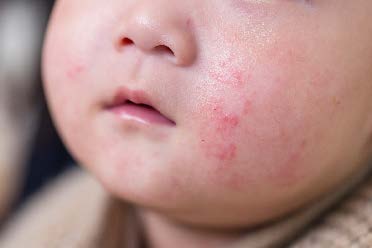
Eczema is a term used to describe a group of skin conditions that can be dry, oozing, itching, burning, flaky, crusty or blistered.
There are several different types of eczema –
- Atopic Dermatitis – this is the most common type of eczema. It often starts in childhood and can affect the face, scalp and creases of elbows and knees. It is itchy and usually dry and often associated with hay fever or asthma.
- Dyshidrotic Eczema – this type of eczema usually affects the hands or feet. It presents as tiny blisters which are very itchy and can ooze fluid. Once the blisters clear it can leave the skin sore and cracked.
- Discoid (Nummular) Eczema – these are round lesions of inflamed skin with a defined border. They can be dry and cracked or can weep and become crusty. They are often symmetrical and most often occur on the trunk or lower arms/legs. They are usually very itchy but can also sting and burn.
- Varicose Eczema – this typically occurs around the ankles and is caused by poor circulation which causes a build-up of pressure in the lower legs. It presents as dry, scaly skin discolouration and can be very itchy. It’s more common in the elderly, those with poor mobility and during pregnancy.
Conventional Treatments
Conventional treatment of eczema involves emollients (oil-based moisturisers) which trap water in the skin, and topical corticosteroids which reduce inflammation. They can undoubtedly soothe the itch and discomfort – but they need to be used frequently, and petroleum-based emollients contain parabens, which interfere with hormones and have been linked to cancer. Healthier topical options are calendula oil, coconut oil, tallow or shea butter. Adding an oat bag or half a cup of ACV to a bath can be soothing too.
A Homeopathic Approach
As Homeopathy treats the person, rather than the disease, each prescription will be specific to the individual. I look at what type of eczema you have, which areas of the body are affected, whether you have any accompanying symptoms and what was happening in your life when the eczema first started. An important aspect in selecting a remedy is how it feels, what the sensation is. For example, one person may have intolerable itching while another has burning or formication (a feeling of insects crawling on the skin). I also consider the rest of the body, particularly gut health. I don’t think I’ve ever seen someone with eczema which wasn’t, at least in part, related to gut inflammation.
Diet and lifestyle
There are some changes you can make straightaway that may help your skin and gut health. Fruit and vegetables, especially avocado, oily fish, bone broth and fermented foods are all excellent for your gut and skin. Cutting out dairy, wheat and seed oils can help reduce inflammation. Supplementing with Omega 3 oil, vitamin C (with bioflavonoids), Vitamins B (complex), D & E can all help support healthy skin.
Moving Forward
It is vitally important, if you are using topical corticosteroids, that you do not stop them suddenly. Homeopathy can work alongside steroid creams to support you while you gradually reduce the dose. Book in today to get started on a treatment plan for your skin, start making some changes to your diet and lifestyle and make the switch to a healthier future.